About This Episode
“90s Generation” from Abajora Podcast takes us on a nostalgic journey through a simpler childhood, exploring the shift from the analog world to the digital age and how memories, nostalgia, and living between two eras shaped a generation.
Episode Details
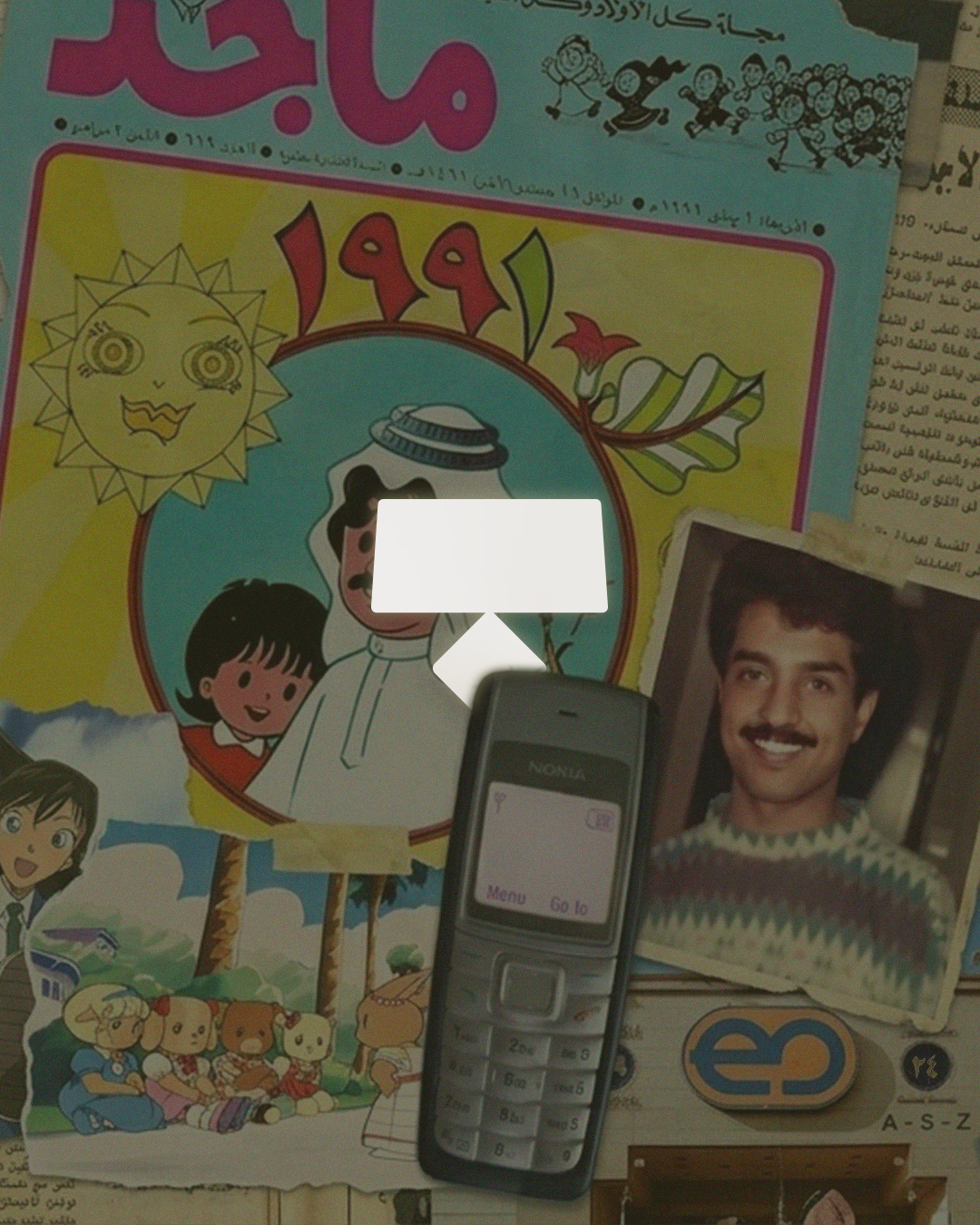
Do you remember the last time you heard the sound of a dial-up internet connection? Do you still recall waiting a whole week for the next episode of a show, or the family gathering around the TV to watch a particular series at its scheduled time? The episode "The 90s Generation" from the Abajora podcast takes us on a warm journey back to a time when many lived a simple, inspiring childhood, before waking up to a fast, changing world driven by technology, smartphones, digital platforms, and pointless comparisons. It is an episode about memories and nostalgia, but at the same time an attempt to understand a generation that found itself standing between two eras: the era of a calm childhood, and the era of a fast-moving present.
The 90s Generation's Childhood: Between Waiting and Wonder
The 90s generation grew up in a distinctive transitional period. The details of daily life were slower, and enjoyment required waiting and patience. Episodes were not available at any time, and reaching songs or programs was not a matter of a single click. Waiting for the weekly episode was part of the experience, and the sound of the internet connecting was a familiar event announcing the start of a short journey into the digital world. Games were limited and well known, but imagination was vast, and family visits, playing in the neighborhood, and long conversations with friends made up an essential part of life that could not be given up.
The episode does not revisit these details as flawless, idealized images, but looks at them as features of a stage that shaped a particular kind of awareness. Members of the 90s generation lived their childhood in a relatively simple world, then later found themselves facing enormous changes in technology, work, and social relationships. This transition gave them the ability to adapt, but also left within them a lasting feeling of belonging to two eras at once.
A Generation Between Two Eras: From the Analog World to the Digital World
The 90s generation is distinguished by having witnessed the digital transformation step by step. It wasn't born into a world of smartphones, but it learned to use them. It knew paper letters and long phone calls, then moved to instant messaging, notifications, and social platforms. This experience reminds the 90s generation of a rare historical stage — one in which the past was not entirely distant, and the future was not yet clear.
This transformation may look natural from the outside, but it carried many questions with it. How do we keep our relationship with memories while living in a fast-moving present? How do we deal with the anxiety caused by too many choices and too much information? And why do we sometimes feel that we don't fully belong to either the old world or the new? The episode discusses these questions from a close, human angle, giving the listener a chance to understand the feelings of anxiety and confusion that can accompany major transitions.
Nostalgia for the Past Is Not an Escape from the Present
Nostalgia for the past is strongly present in this episode, but it is not presented as a desire to return completely backward. Nostalgia can be a way of understanding the self, restoring a sense of continuity, and appreciating the experiences that helped shape one's personality. When we remember a sound, a song, a show, or a place, we don't only remember the event itself — we revive an older version of ourselves that felt, thought, and dreamed in a different way.
For the 90s generation, nostalgia can become a space to reflect on the values that accompanied childhood, such as simplicity, waiting, the power of direct relationships, and the joy of small details. At the same time, appreciating the past does not mean rejecting the present or technology, but trying to build a more balanced relationship with both. The past gives us roots, the present gives us tools, and the future needs an awareness that brings the two together.
Hajeen Roastery: When Coffee Becomes a Bridge to Memories
The episode is sponsored by Hajeen Roastery, which approaches the experience of Saudi Arabia in the 90s in a way that goes beyond serving coffee as just a drink. Here, coffee becomes a bridge that carries us toward familiar feelings that once lived in the details of our lives. That feeling may be tied to a family gathering, a long conversation with a friend, a place we used to visit, or a quiet moment that gives us a chance to recover the slowness and calm we've lost.
The Hajeen Roastery experience celebrates authenticity without being limited by it, blending specialty coffee with the richness of the past in one frame. This blend fits the episode's core idea: just as the 90s generation combines the memory of the past with the demands of the present, the experience combines the quality of modern coffee with the feelings tied to old details. The place, the aroma, the way it is served, and the long conversations are all elements that can awaken a feeling hard to describe, yet warm and familiar the moment it arrives.
Why Does the 90s Generation Still Feel Caught Between Two Eras?
This feeling may stem from the fact that the generation lived through rapid changes during its formative years. It moved from playing outdoors to communicating through screens, from waiting for news and programs to instant access to information, and from relationships based on face-to-face meetings to relationships sometimes managed through apps. These shifts did not only change the tools — they affected the way of thinking, working, and building relationships.
Even so, standing between two eras is not necessarily a crisis. It can be a source of strength, because this generation can understand the value of the previous world while handling the possibilities of the new one. It is a generation that knows the meaning of waiting, but also knows the speed of access. It values face-to-face meetings, but is skilled at digital communication. It carries images of the past in its memory, and in its hand, tools that help it shape the future.
Production Team
A creative team worked on the 90s Generation episode, combining human sensitivity with the ability to recover moving details. Lubna Al-Khamis contributed to preparing and hosting the episode, alongside Dania Musa and Samah Al-Muslih, while Hisham Al-Adeeni handled the audio, and production came from Pixel House. This team helped deliver an episode that blends nostalgia, laughter, and memories with deep questions about anxiety, transformation, and identity.
In the end, the 90s Generation episode offers more than a recollection of old memories. It is an invitation to look at how transitional stages shaped us, and to understand our feelings toward the past, present, and future. If you are from the 90s generation, you may find in the episode details that resemble your childhood, or a question you voiced inside yourself and couldn't find words for. And if you are from another generation, it will give you a chance to understand the experience of a generation that lived the beginning of the great transformation, and carried with it the memory of a world that no longer exists in the same form.
Nostalgia for the past is not an invitation to stop; it can be a way of moving forward with greater awareness. Between the sound of the dial-up connection, memories of weekly programs, and the aroma of coffee, the story of a generation takes shape — one that learned that change is part of life, and that keeping memories does not stop us from creating new experiences.

-(1).png)